


Commercial Electrical Panel Upgrades: When and Why Salt Lake City Businesses Need Them
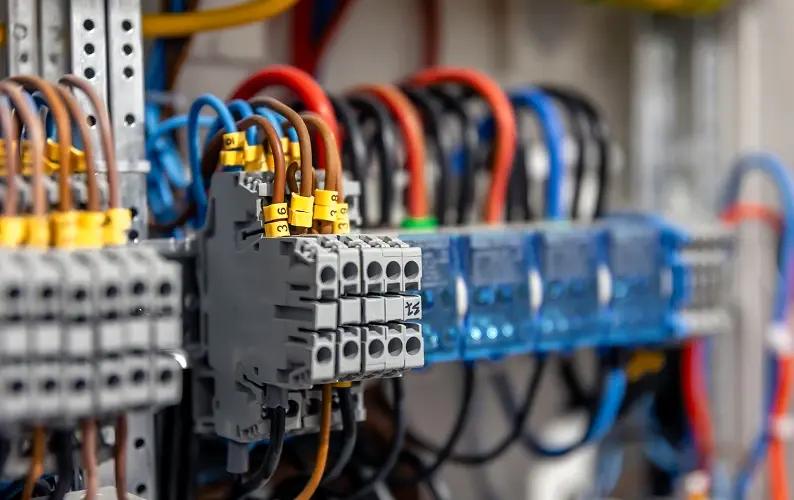
A panel sized for a building in 1985 is still running plenty of Salt Lake City businesses in 2026. Most owners never think about it until a breaker trips during the lunch rush or an equipment bid arrives with an electrical line item nobody budgeted for. This guide covers when a commercial electrical panel upgrade makes sense, why timing matters, and what to expect in terms of process and cost along the Wasatch Front.
What Is a Commercial Electrical Panel Upgrade?
A commercial electrical panel upgrade replaces or expands the panel that distributes power through your building, increasing amperage capacity, adding circuit slots, and bringing the installation up to current code. Projects range from swapping an aging 200-amp panel for a 400-amp unit to adding subpanels for new equipment or tenant spaces.
The panel is sometimes only part of the picture. When the utility feed itself is undersized, Epic Electric folds electrical service upgrades into the same scope as the panel replacement. Bundling them saves a second round of permits, shutdowns, and utility scheduling.
When to Upgrade: Two Situations That Call for It
Owners usually ask the same question: should I upgrade my electrical panel now, or can it wait a year? Knowing when to upgrade an electrical panel starts with telling two situations apart.
The first is symptomatic. Breakers that trip weekly, a warm panel face, buzzing from the cabinet, or lights that dim when the rooftop HVAC starts all point to a panel running past its limit. So does a panel with no open slots, or one from a discontinued maker like Zinsco or Federal Pacific. The signs your hotel, restaurant, or retail space needs a commercial panel upgrade vary by industry, and in kitchens they usually surface first at the equipment circuits. Any single symptom justifies an assessment.
The second situation is quieter and gets missed far more often: nothing is wrong today, but the business is about to change. A tenant improvement, a second walk-in cooler, fleet EV chargers, or a solar and battery installation each add load the original panel was never sized for. Run the load calculation before signing equipment purchase orders, because a shortfall discovered mid-project stalls everything behind it.

Why Timing Matters More Than Most Owners Realize
An upgrade you schedule costs less and hurts less than one forced on you. A failed panel can take the whole building down while you source, permit, and install a replacement, and commercial panelboards aren't always off the shelf. Industry lead-time tracking as of August 2026 puts panelboards at 21 to 32 weeks and low-voltage switchboards at 32 to 41 weeks, which can push an unplanned replacement out by months.
There is also a code and insurance angle. Buildings around downtown, Sugar House, and the Granary District often carry decades of piecemeal electrical work, and the panel is where those shortcuts concentrate. Our article on electrical system challenges in older commercial buildings explains why these properties deserve extra scrutiny before a remodel. A documented, code-compliant panel simplifies leases, appraisals, and insurance claims.
How the Upgrade Process Works
A well-run commercial panel upgrade follows five steps:
Load calculation. A licensed electrician measures existing demand and models planned equipment to size the new panel.
Proposal. You get an itemized scope covering the panel, breakers, labor, permits, and any feeder or service work.
Permits and utility coordination. Salt Lake City requires an electrical permit and inspection; Rocky Mountain Power schedules service changes.
Cutover. The old panel comes out, and the new one goes in during a planned shutdown, often after hours so the business keeps its normal schedule.
Inspection and labeling. The work passes city inspection, and every circuit gets labeled, which pays off on every future service call.
Epic Electric runs this sequence on a fixed schedule with a clean jobsite, because a cutover in an operating restaurant leaves no room for improvisation.
What a Commercial Panel Upgrade Costs Along the Wasatch Front
Published contractor pricing puts straight commercial panel swaps in the 100 to 400 amp range at roughly $1,800 to $5,500. Five factors move the number from there: the amperage jump, single-phase versus three-phase service, the condition of existing feeders and grounding, panel accessibility, and whether the cutover happens after hours. A full service upgrade with new conductors and utility work climbs well past the swap range. Get the load calculation before you get attached to a number, and insist on an itemized proposal that shows which factor is driving yours.
Choosing the Right Electrician for a Panel Upgrade
Searching for the best commercial electrician near me returns ads and a map pack, which shows who bought placement rather than who does clean panel work. Verify licensing instead, ask how many commercial cutovers the crew ran last year, and compare proposals line by line. A commercial master electrician holds Utah's highest license classification, which matters here because load calculations, feeder sizing, and code interpretation are where lower-tier work gets flagged at inspection. Epic Electric puts a licensed and insured team on every commercial project, from calculation to final label.
The panel decision is really a timing decision. Upgrade ahead of a build-out or equipment purchase, and you set the schedule and budget; wait for a failure, and you inherit whatever schedule the failure allows. Businesses across the valley bring Epic Electric in while the decision is still theirs to make, and it starts with a load calculation. That one step tells you whether you need a panel swap, a full service upgrade, or nothing at all this year.
FREQUENTLY ASKED QUESTIONS
What is the 80% rule for electrical panels?
Continuous loads should not exceed 80% of a breaker or panel's rated capacity. A 200-amp panel is effectively a 160-amp panel for equipment running three hours or more, which is why panels that look adequate on paper still trip in practice.
Do I need a permit to upgrade an electrical panel in Salt Lake City?
Yes, and your contractor should pull it, not you. Unpermitted panel work shows up on property sales, insurance claims, and fire inspections, and correcting it later costs more than permitting it did.
How long does a commercial electrical panel upgrade take?
The physical cutover on a standard commercial swap runs about 8 to 12 working hours. Permitting, utility scheduling, and equipment procurement drive the full calendar, so plan weeks rather than days.
Can my business stay open during the upgrade?
Usually, yes. Power is down only during the cutover window itself, and an electrician can stage temporary power for refrigeration, servers, or security systems.
At what age should a commercial electrical panel be replaced?
Panels commonly serve 25 to 40 years. Treat age as a prompt for an inspection rather than automatic replacement; capacity, parts availability, and condition decide the answer.


Comments