

Electrical Panel Upgrade Safety: Common Hazards & Code Requirements

Most people do not think much about their electrical panel until something weird starts happening around the house. Maybe the breaker trips every time you run the microwave and the air fryer together. Maybe the lights dim when the AC kicks on. Sometimes it is smaller stuff, like a buzzing outlet or a switch that feels warmer than it should.
A lot of homeowners brush those things off at first, but electrical problems rarely fix themselves. In many cases, those little warning signs are your home’s way of saying the electrical system is struggling to keep up.
That is why electrical panel upgrade projects have become increasingly common lately. Older panels were built for a completely different time. Homes today are packed with devices, appliances, charging stations, smart technology, and bigger HVAC systems that older electrical setups were never designed to handle.
A newer panel does more than just give you extra power. It can help make the home safer, reduce the chances of electrical problems, and make everyday life a little less frustrating.
If you are already noticing signs that your panel may be outdated, you can learn more about upgrade options through Epic Electric.
What Your Electrical Panel Actually Does
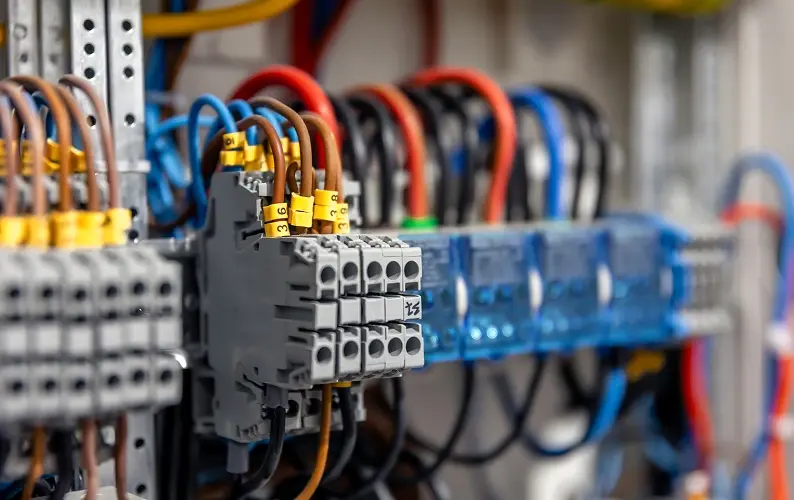
Your electrical panel is basically the control center for the entire house. Power comes in from the utility company, and the panel sends electricity to all the circuits throughout the home.
Its job is to:
Distribute power safely
Prevent circuits from overloading
Shut things down when there is a problem
Protect wiring and appliances
Reduce the risk of electrical fires
The issue is that many older homes still have panels installed decades ago. Back then, households did not have multiple TVs, gaming setups, home offices, EV chargers, or giant kitchen appliances pulling power all day long.
What worked fine years ago can start to become a problem as modern electrical demands pile up.

Common Signs an Older Electrical Panel May Be Unsafe
Usually, the warning signs start small. The problem is that people often get used to them and assume they are normal.
Breakers Keep Tripping
An occasional breaker trip is not unusual. Constant breaker trips are different.
If you are resetting breakers frequently, there is a good chance the panel is overloaded or that certain circuits are carrying more power than they should.
A lot of homeowners keep ignoring it because flipping the breaker back on only takes a second. The bigger issue is why it keeps happening in the first place.
Lights Flicker or Dim
If the lights dim every time a major appliance starts running, the panel may be struggling to distribute power properly.
It might seem harmless, but power fluctuations can put stress on your wiring, appliances, and electronics over time.
Outlets Feel Warm or Smell Burnt
This is something people should never ignore.
Outlets, switches, or breakers that feel warm may indicate overheating somewhere in the electrical system. Burning smells, buzzing noises, or discoloration are also red flags.
Possible causes include:
Loose wiring
Overloaded circuits
Failing breakers
Aging electrical components
Electrical heat buildup is one of the biggest warning signs that something is not right.
Rust or Corrosion Around the Panel
Water and electrical systems are a bad combination. If moisture gets into the panel, corrosion can start forming on the internal components.
Over time, corrosion weakens connections and increases the chances of shorts, overheating, or breaker failure.
Older Fuse Boxes or Problem Panels
Some older panels have known safety problems and are commonly recommended for replacement.
That includes:
Federal Pacific panels
Zinsco panels
Older fuse box systems
These systems may fail to trip properly during overloads, allowing wires to continue overheating when they should have shut off.

How Electrical Panel Problems Can Turn Into Fire Hazards
Electrical fires usually do not occur out of the blue. Most of the time, there are warning signs long before things get serious.
One common issue is overloaded circuits. When wiring is constantly handling more electricity than it was designed for, heat slowly builds up over time.
Loose electrical connections are another big one. As electrical components heat up and cool down over time, connections can naturally loosen. That can create electrical arcing, which produces a surprising amount of heat.
Older breakers can also stop working properly. If a breaker fails to trip during an overload, the wiring continues to heat up without protection.
Then there is DIY electrical work. Many homeowners try to save money by handling panel work themselves, but panel upgrades involve high-voltage systems. Mistakes are not always obvious right away, which is what makes them dangerous.
Why Electrical Codes Matter During a Panel Upgrade
Electrical codes can sound boring, but they exist for a reason. Most of the rules are in place because something dangerous happened often enough that safety standards had to change.
When an electrical panel upgrade is done properly, the system is updated to meet current code requirements and modern safety standards.
Modern Homes Need More Power
Many older homes still operate on 60- or 100-amp service. Years ago, that may have been enough.
Today, not so much.
Most modern homes need more capacity because of things like:
Central air systems
Large kitchen appliances
Home offices
EV chargers
Smart home technology
Additional circuits
That is why 200-amp panels are now pretty standard for many homes.
Grounding and Bonding Matter More Than People Realize
Proper grounding helps safely divert electrical faults rather than allowing dangerous current to flow through the home.
Without proper grounding and bonding, the risk of electrical shock becomes much more serious.
Newer Safety Protections Help Prevent Problems
Modern code requirements often include additional protections like:
AFCI breakers to help reduce fire risks
GFCI outlets near water sources
Correct breaker sizing for circuits
Those updates make a big difference in overall electrical safety.
Permits and Inspections Are Usually Required
Most panel upgrades require permits and inspections to verify that the work was done safely and correctly.
That may feel like an extra step, but it helps protect homeowners from hidden electrical hazards later on.

Signs It May Be Time for an Electrical Panel Upgrade
Many homeowners live with outdated panels longer than they should because the system still technically works.
Still, there are certain signs that usually point toward needing an upgrade:
Breakers trip regularly
The lights flicker often
Outlets feel warm
You hear buzzing sounds
The panel is over 25 years old
You rely heavily on extension cords
You are adding new appliances
The home still has a fuse box
The panel shows rust or corrosion
Even if the house is functioning day to day, an older panel may no longer be safe to use.
Choosing the Right Panel Size
Not every home needs the same electrical setup. The right panel size depends on how much electricity the household actually uses now and what may be added later.
100-Amp Panels
These are still found in many older homes, but households often outgrow them pretty quickly once newer appliances and electronics are added.
200-Amp Panels
This is the standard for many modern homes because it gives enough capacity for everyday electrical demands without constantly overloading circuits.
400-Amp Panels
Larger homes or properties with heavy electrical usage may need 400-amp service.
That can include homes with:
Multiple HVAC systems
Workshops
Guest homes
Large EV charging setups
Solar battery systems
A licensed electrician can perform a load calculation to determine the size that actually makes sense for the property.
Why Professional Installation Matters
Electrical panel work is one of those jobs that really should not be treated as a DIY project.
There is a big difference between replacing a light fixture and working inside a high-voltage electrical panel.
Professional installation helps make sure:
Wiring is connected safely
Breakers are sized correctly
The system meets code requirements
Grounding is done properly
The panel will operate reliably long term
Experienced electricians can also spot hidden issues that homeowners may never notice.
Homeowners interested in electrical panel upgrade services can find more information on Epic Electric's website.

How an Electrical Panel Upgrade Improves Safety
One of the biggest benefits of upgrading a panel is the peace of mind it provides.
A modern panel helps reduce many of the problems older systems struggle with.
Lower Fire Risk
Newer panels are built with updated safety protections designed to reduce overheating and overloaded circuit problems.
More Reliable Power
Power gets distributed more evenly throughout the house, which can help reduce flickering lights and random breaker trips.
Better Protection for Appliances
Stable electrical flow is easier on electronics and expensive appliances.
More Capacity for Modern Living
A newer panel gives the home room to handle modern electrical demands without constantly pushing the system to its limits.
Better Long-Term Value
Updated electrical systems are something buyers often look for because they know it means fewer future headaches.
Electrical issues usually start small. A flickering light here, a tripped breaker there, maybe an outlet that feels warmer than normal. Most people do not think much of it at first.
The problem is that those small signs can eventually point to larger safety concerns behind the walls. At that point, it is best to have it checked by Epic Electric.
An electrical panel upgrade is not just about adding more power. It is about making sure your home’s electrical system can safely keep up with how people actually live today.


Comments